The rail share in freight transport across Austria and the EU continues to stagnate or decline, despite long-standing political targets.
Rail currently accounts for 26.4% of Austria’s freight transport performance, according to Statistics Austria. Austrian trucks hold a 24.5% share, while foreign trucks lead the road segment with 47.6%. Inland shipping accounts for just 1.6%.
In the EU, rail’s share stands at 17%, with road dominating at 78%.
The survey, which included 259 experts from 177 organisations across sectors, highlights seven specific measures most frequently mentioned as having high potential to increase rail freight volumes:
- Remove diesel tax exemptions (69%) Tax privileges for fossil fuels are seen as a competitive advantage for road freight.
- Raise CO₂ surcharges on truck tolls (67%) Applying higher CO₂ pricing on tolls is seen as a way to internalise environmental costs.
- Introduce tolls for trucks on all roads, not just motorways (61%) Extending toll obligations beyond motorways could shift more freight to rail, especially in regional areas.
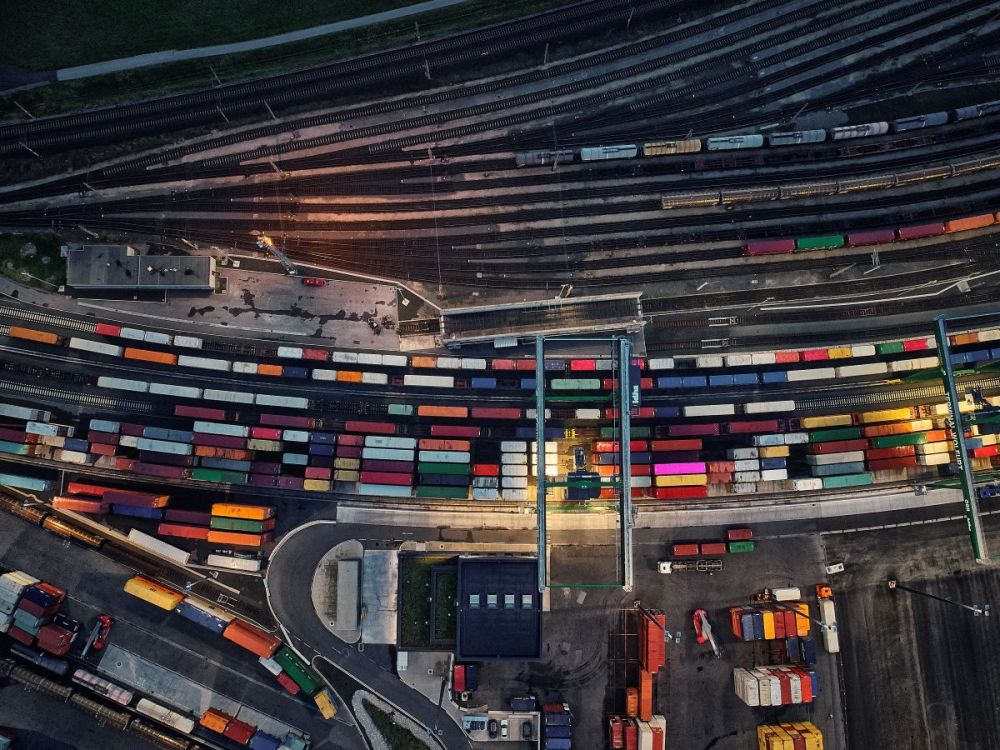
- Expand transshipment capacity (57%) Additional terminals and improved intermodal hubs are seen as essential for efficient mode transfer.
- Increase rail infrastructure capacity (55%) Network limitations and bottlenecks remain a constraint on growth potential.
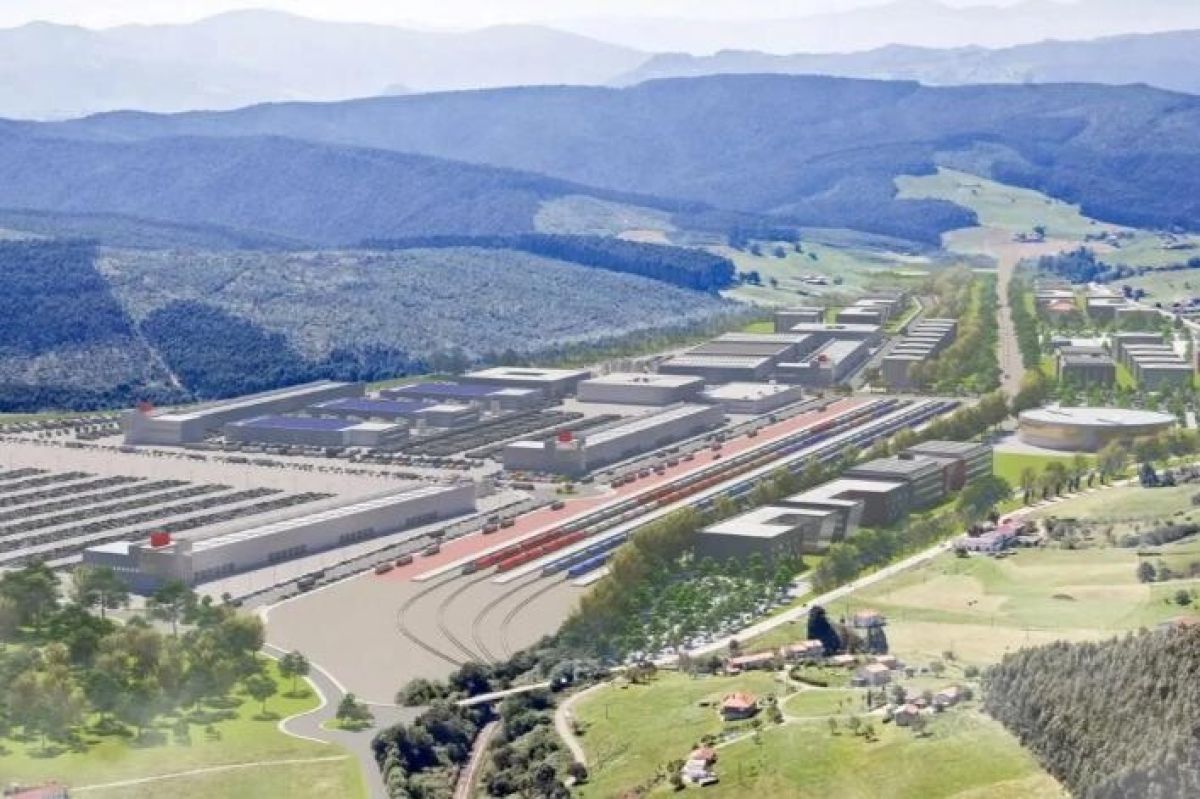
- Ensure rail access for new industrial sites (53%) Development planning often overlooks future rail connectivity, limiting long-term modal shift options.
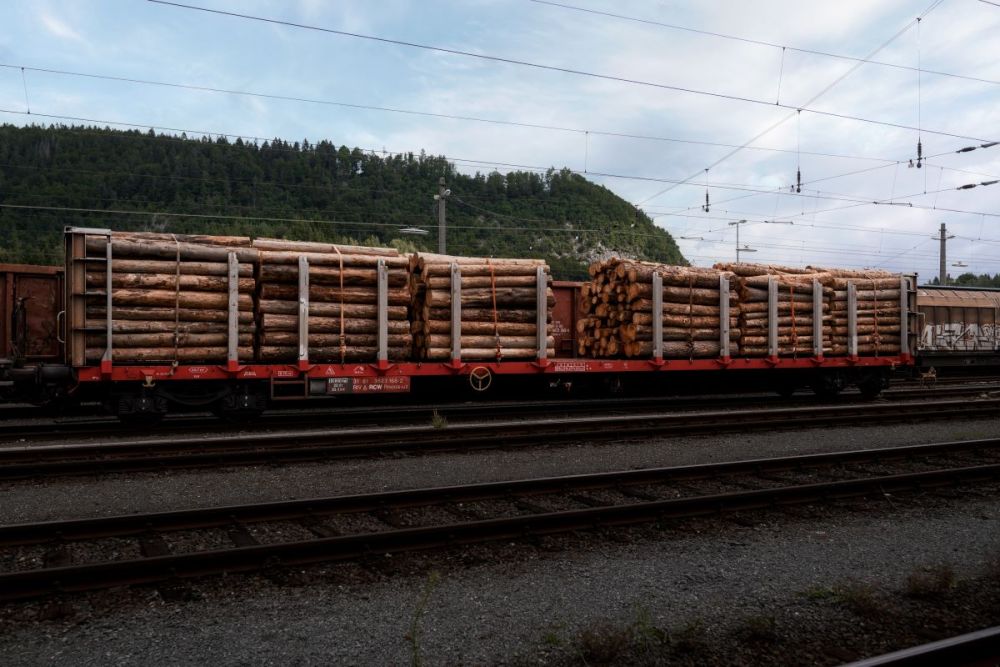
- Mandate rail use for specific freight categories (52%) Legal requirements to move selected goods by rail could reduce heavy truck volumes on long-haul routes.
While 93% of respondents said more measures are needed to support rail freight, 77% believe that the 34% modal share target will not be achieved without major changes.
Responsibility for action was placed mainly on national governments (85%), followed by the EU (68%), infrastructure operators (45%), and regional authorities (38%).
Digitalisation and automation were cited as future opportunities, while delays or rollbacks in climate policy—particularly concerning the EU Green Deal—were considered potential risks.