RM: In light of the ongoing trade wars, an increase in the volume of goods moving from China to Europe is anticipated. Are there sufficient logistics routes available to accommodate this demand?
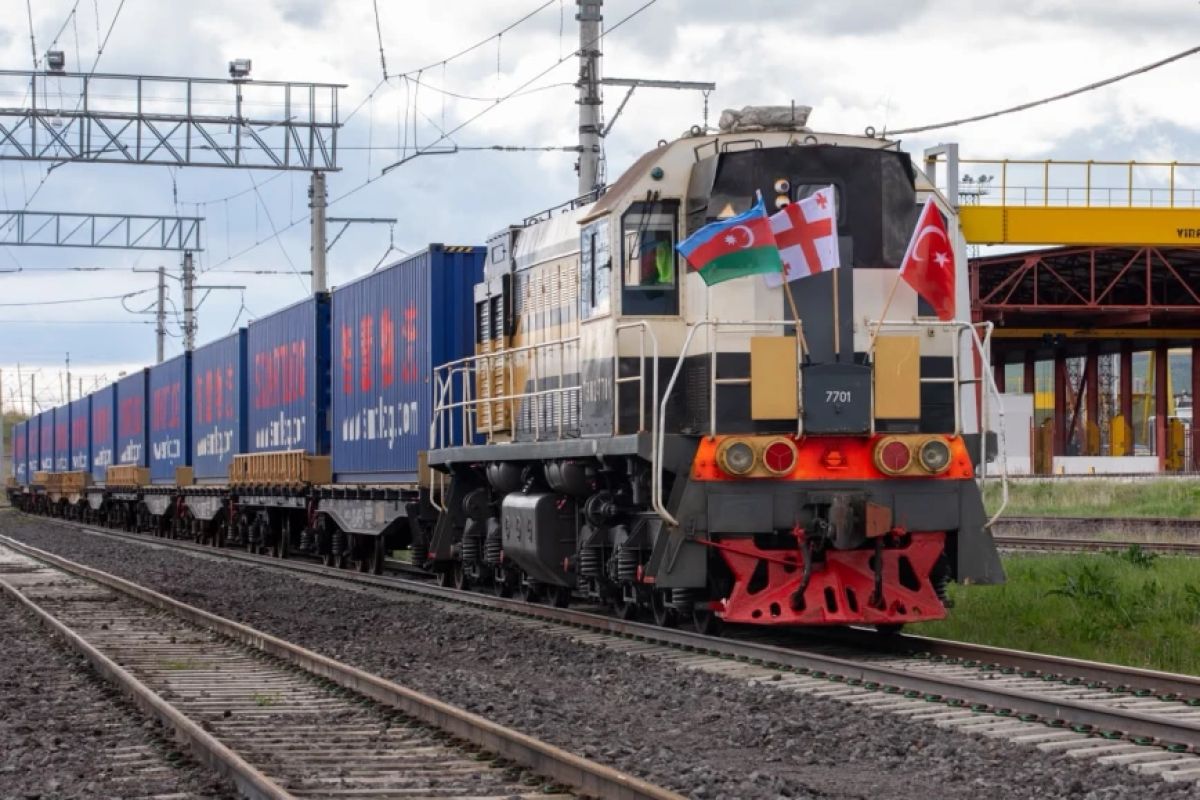
David Fischkandl: There are multiple established routes — by air, rail, road, and sea — that most providers in the market can offer. At JUSDA, we aim to differentiate ourselves by actively seeking non-traditional alternatives. These include direct trucking services and rail combined with short-sea shipping via the Middle Corridor. Furthermore, we are expanding our focus beyond China to include other Southeast Asian countries, ensuring broader coverage and enhanced flexibility for our customers.
RM: In this context, how is JUSDA positioned, and how prepared are you to manage a potential surge in shipments from this region?
David Fischkandl: Logistics is a dynamic and rapidly evolving industry. At JUSDA, we are committed to proactive planning and agility. We continuously monitor market developments in close collaboration with our partners and customers, enabling us to swiftly adapt to changing conditions and manage sudden increases in shipment volumes. Our operational readiness ensures we can support our clients' needs, even during volatile periods.
RM: What is the current situation of railway transport from China to Europe through Russia?
David Fischkandl: Currently, transit times have normalized and are approximately 12 to 18 days from terminal to terminal. Pricing levels have decreased due to softer demand, influenced by stabilized sea freight transit times and existing restrictions on dual-use cargo.
RM: Given the limitations of current railway infrastructure, are there viable alternatives along the Silk Road, transiting via Russia?
David Fischkandl: Yes, we have implemented reliable alternatives to ensure seamless and timely transport. One such solution is direct truck road transport, which including all customs formalities. This approach allows us to maintain fast transit times and operational continuity despite infrastructure constraints.
RM: How are you preparing for the post-conflict period in Ukraine, and what plans do you have in place?
David Fischkandl: JUSDA is already strongly positioned in Ukraine, which has become an important market for us. We have substantial experience, notably with our Chop train service, enabling us to provide robust and resilient logistics solutions in the region. If anyone wants to find out more about any of these issues, we'd be delighted to meet them at our stand at the Transport and Logistics exhibition in Munich this June.