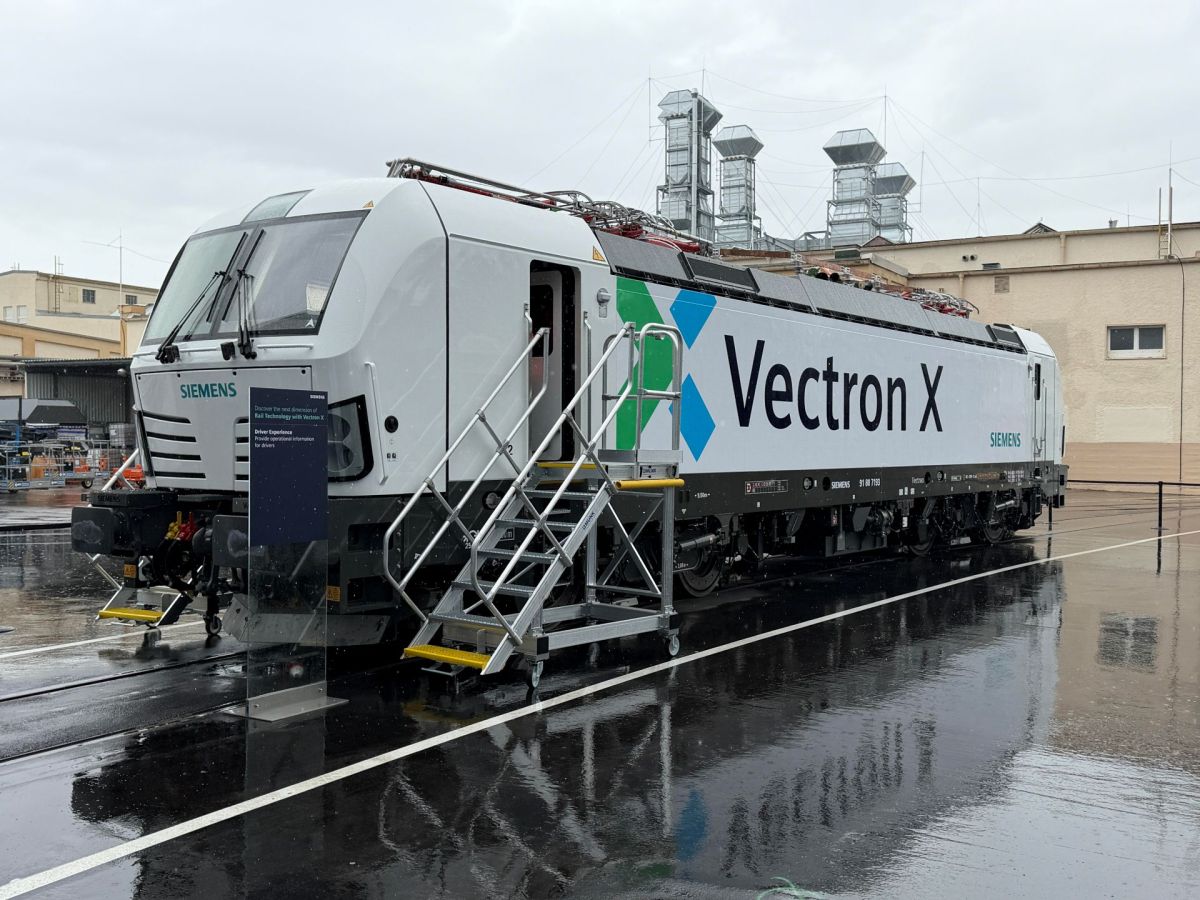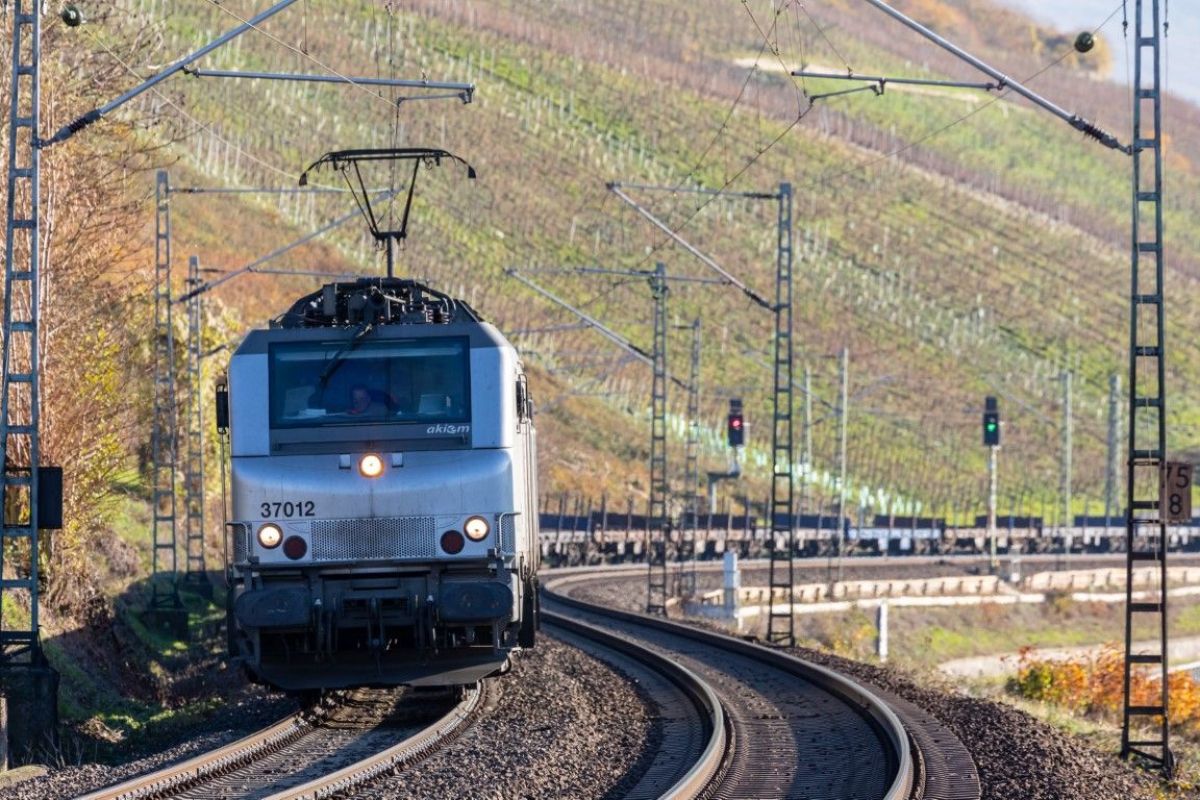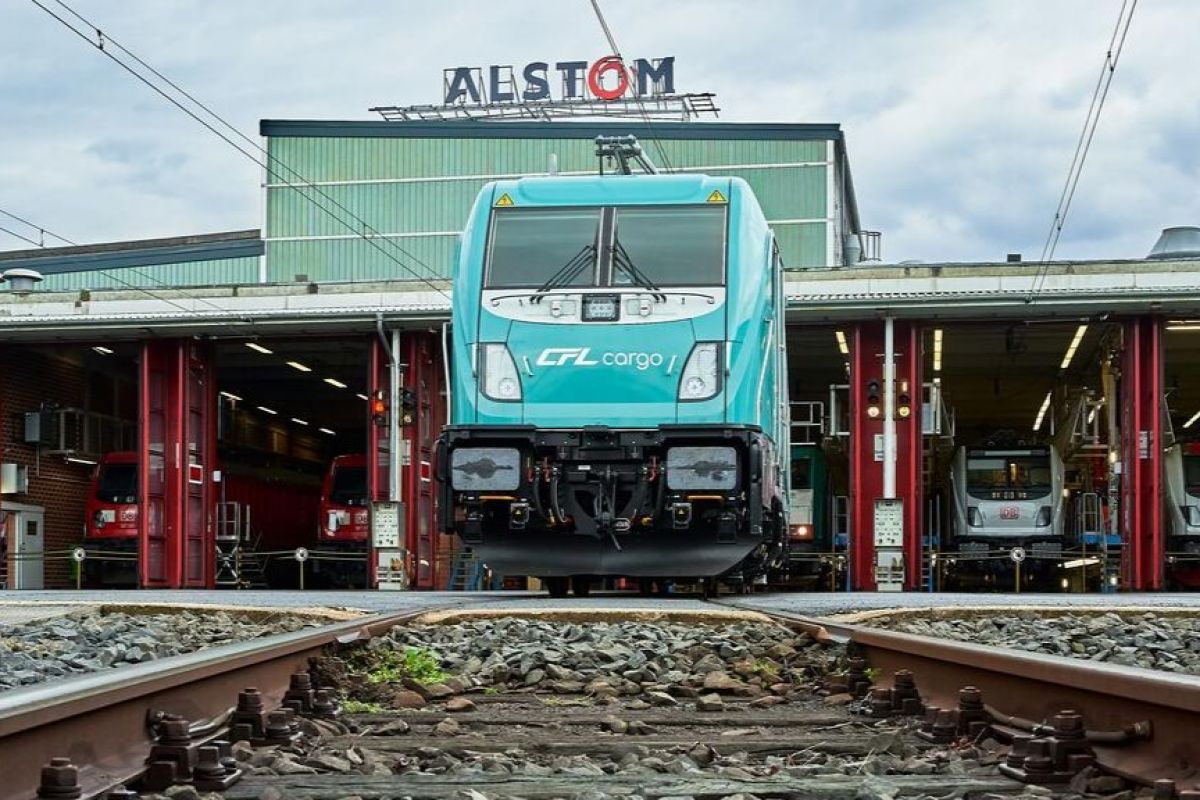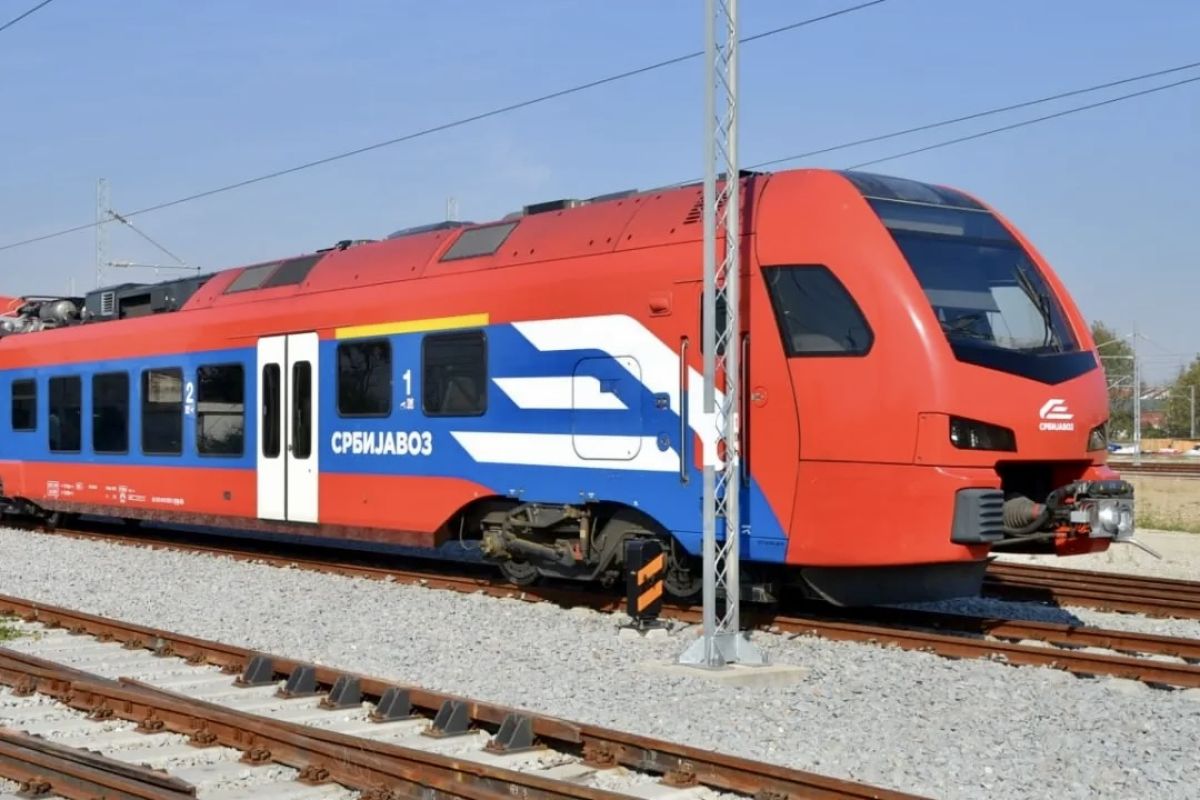
The plan, prepared by Správa železnic and the Czech Ministry of Transport, foresees overhead wires on almost 600 kilometres of railway lines and prioritises full ETCS deployment on the main TEN-T corridors.
By 2031 and 2033, Správa železnic wants to complete major modernisation projects linked with electrification on 235 kilometres of lines. A further 355 kilometres are to receive overhead wires through so-called simple electrification, meaning electrification without major interventions in the track layout.
The electrification plan also includes regional projects supported by the Modernisation Fund. At the same time, the concept reflects the expected wider use of battery trains, which the ministry expects to become much more common in the coming years, supported by additional subsidy schemes for rolling stock.
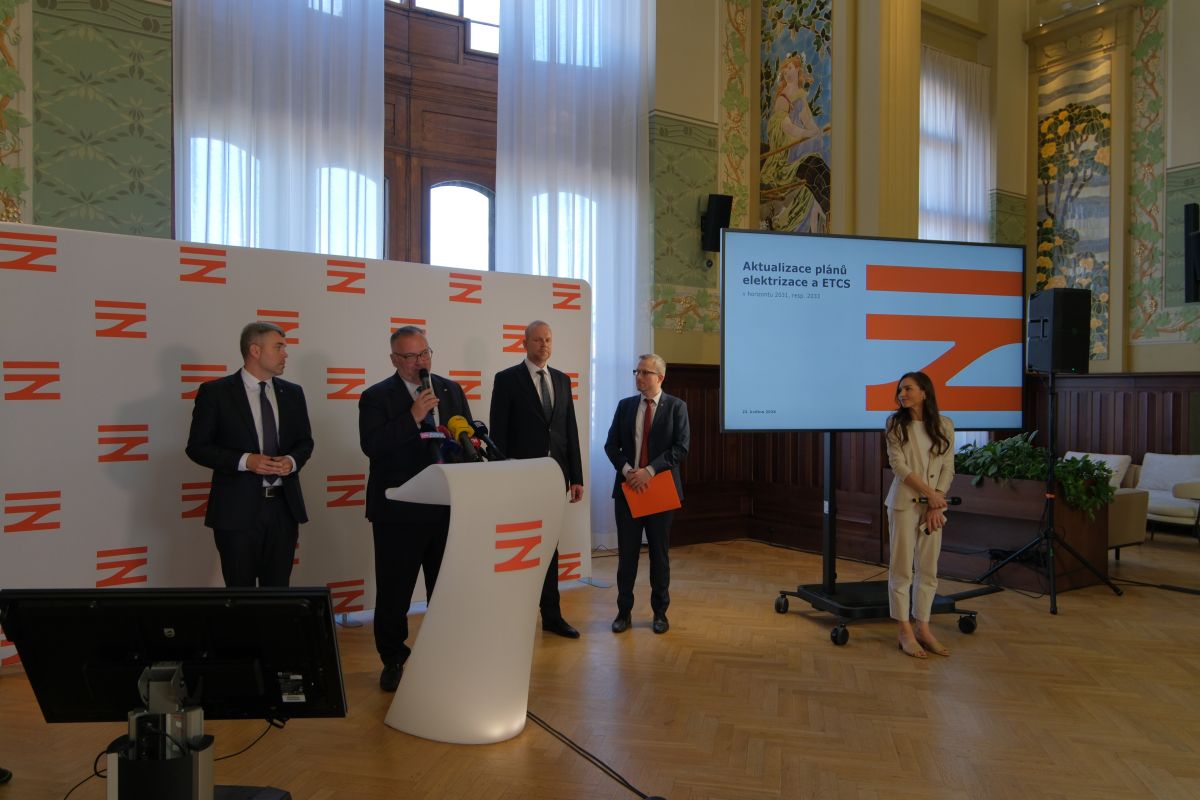
“The aim of the new electrification concept is to better target investments where public money will bring the maximum benefit and the greatest multiplier effect — for passenger and freight operators, but above all for passengers themselves and companies using rail. At the same time, we want to develop the network evenly for the needs of long-distance, freight and regional transport. We are not building castles in the air, nor are we lying to ourselves. Our action plan is based on the real readiness of individual projects and the requirements of operators and transport authorities,” said Ivan Bednárik, Czech Minister of Transport.
Tomáš Tóth, Director General of Správa železnic, said the plan is part of the broader transformation of the infrastructure manager and its approach to communication with the market.
“We want to fulfil what we set out at the beginning of the transformation of Správa železnic: to prepare a clear and predictable plan for railway infrastructure development and communicate it openly and in time. That is why we are now publishing a concrete outlook for electrification and ETCS, so that transport authorities, operators and other partners can use it as guidance. We are discussing everything openly with operators and transport authorities and trying to find the intersection between their expectations and our possibilities,” said Tóth.
For ETCS, the priority will be the deployment of exclusive operation on TEN-T network lines. These main corridors carry around 90% of Czech railway performance, making them the central focus for the most advanced version of the European train control system.
On secondary lines, the plan assumes simpler and more economically efficient forms of protection. Besides lower ETCS levels already used in other European countries, Czechia wants to use the Train Stop Device, known locally as ETCS PZV. The system is compatible with standard ETCS onboard equipment and is intended to improve safety on less busy lines without requiring additional vehicle-side investment from operators.
The concept for lines outside the core network will depend on their actual passenger and freight use, rather than applying the same solution everywhere.
“We are now holding intensive talks with the European Union Agency for Railways on the authorisation of ETCS PZV. This system is not technically unknown to us; we use it during infrastructure modernisations as a temporary protection system. We also have information from other countries that are following our effort to find optimal protection for local lines and want to take inspiration from us. Stopping a train through a safety system is a key aspect of safety,” said Bednárik.
Tóth added that the revised ETCS plan should also protect previous investments made by operators and public transport authorities into onboard equipment.
“In updating the ETCS deployment plan, we respect as much as possible the investments made by transport authorities and operators in equipping vehicles with onboard units. Thanks to the revision, we also gain room to protect lines where installing the most advanced ETCS would threaten their economic viability,” said Tóth.
Správa železnic currently operates 670 kilometres of lines with exclusive ETCS operation. Around 180 kilometres more are expected to be added during this year.
The most important upcoming step will be the December extension of exclusive ETCS operation to the entire southern corridor between Prague and České Budějovice. This will further expand the number of mainline routes where trains operate under the European signalling and safety system.