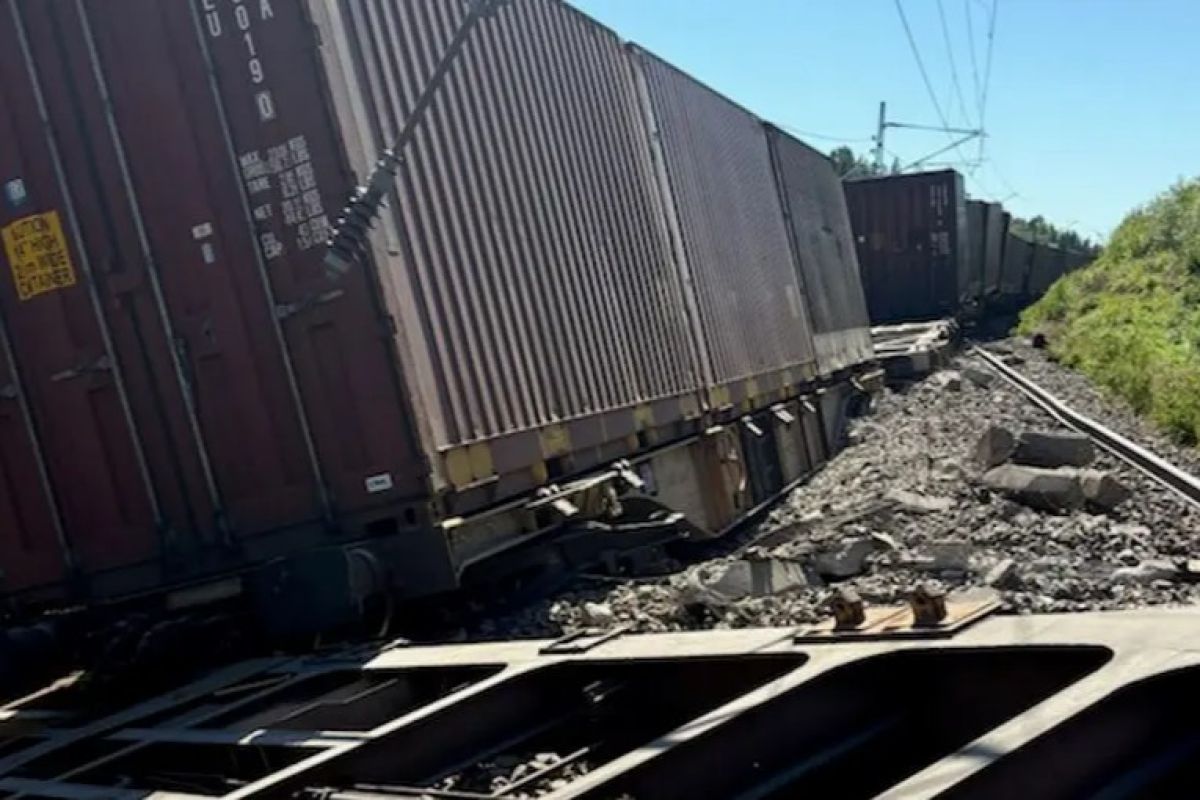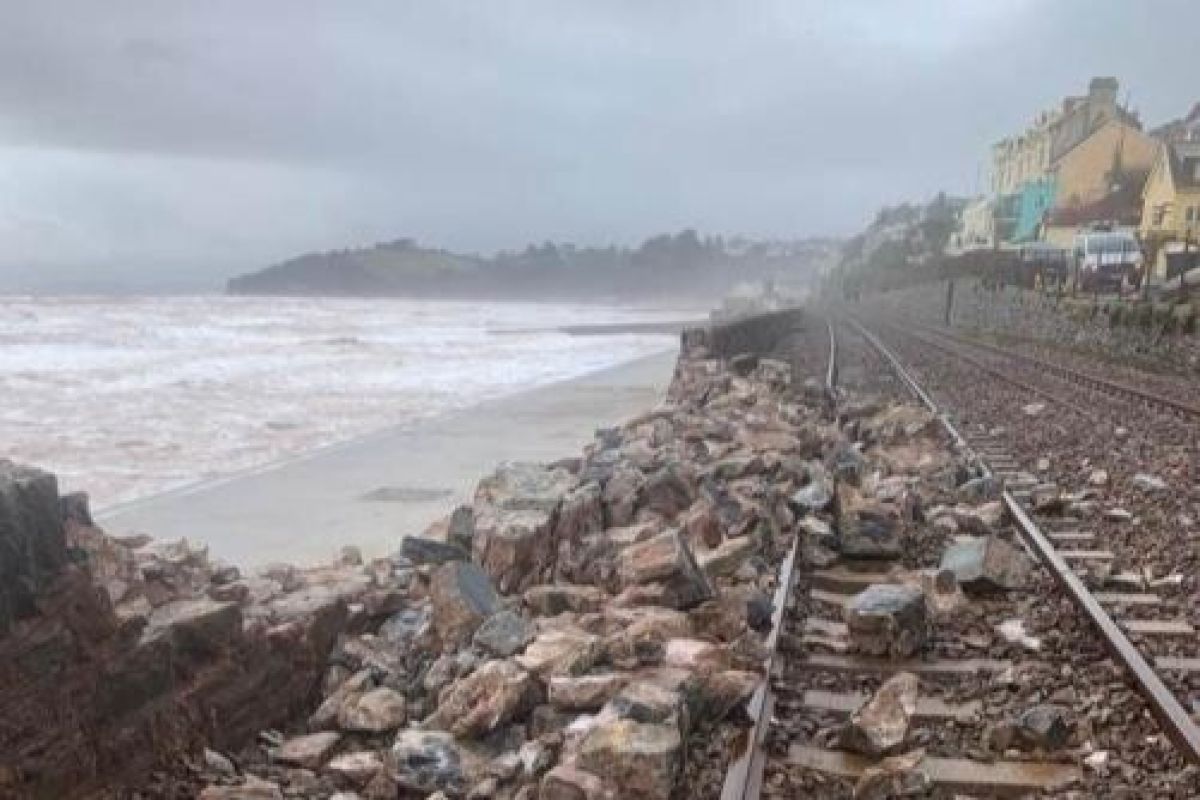
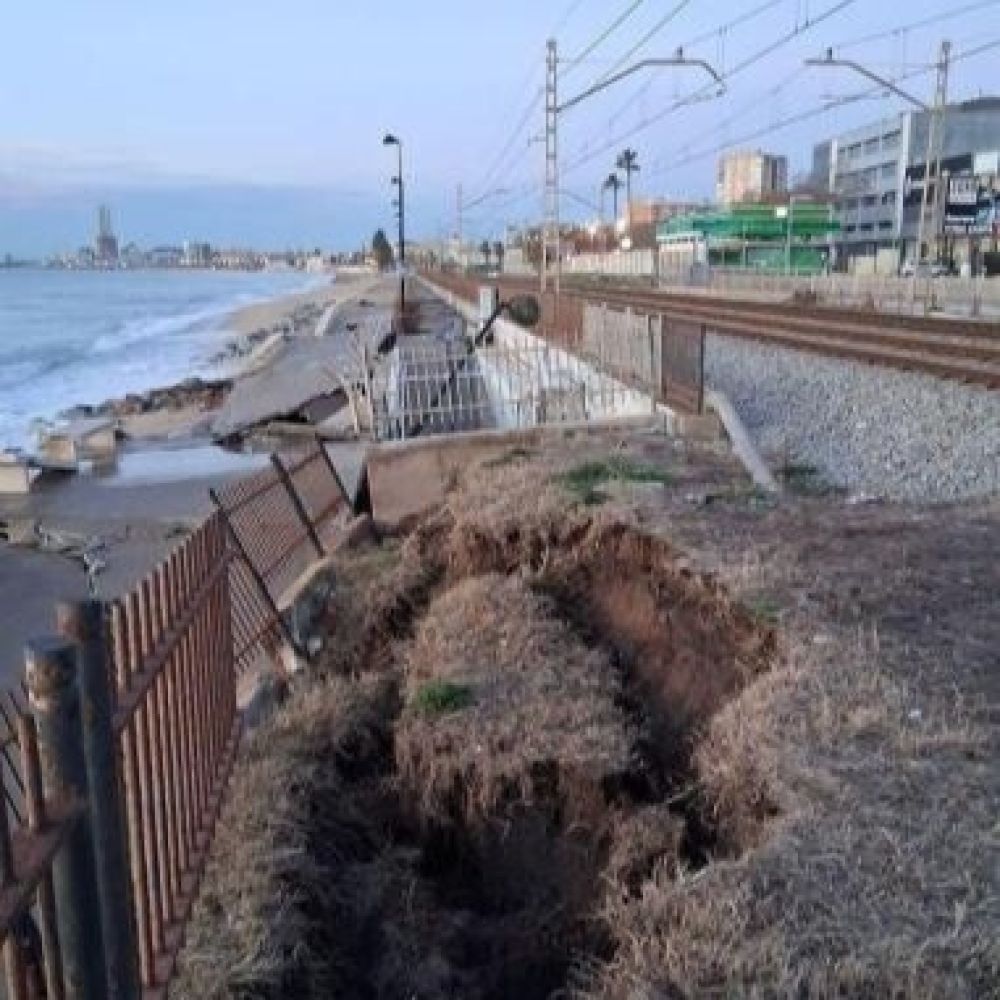
A landslide at Gelida (Alt Penedès), south of Barcelona, continues to close the Iberian-gauge line on the Barcelona–Zaragoza corridor, sharply reducing inland freight flows between the port of Barcelona and Aragón. Adif suspended movements after an embankment collapse struck a Rodalies passenger train and also affected the AP-7 road formation above the railway; Adif has said rail repairs cannot start until the state roads authority secures the embankment, with no reopening date given, El Mercantil reports.
In parallel, a separate landslide in the Rubí tunnel (Barcelona area) has blocked standard-gauge international freight traffic linking Catalonia with France, constraining services to/from the port of Barcelona and forcing trains to be held or curtailed, with some traffic limited to La Llagosta terminal under special operating arrangements.
How rail traffic is affected
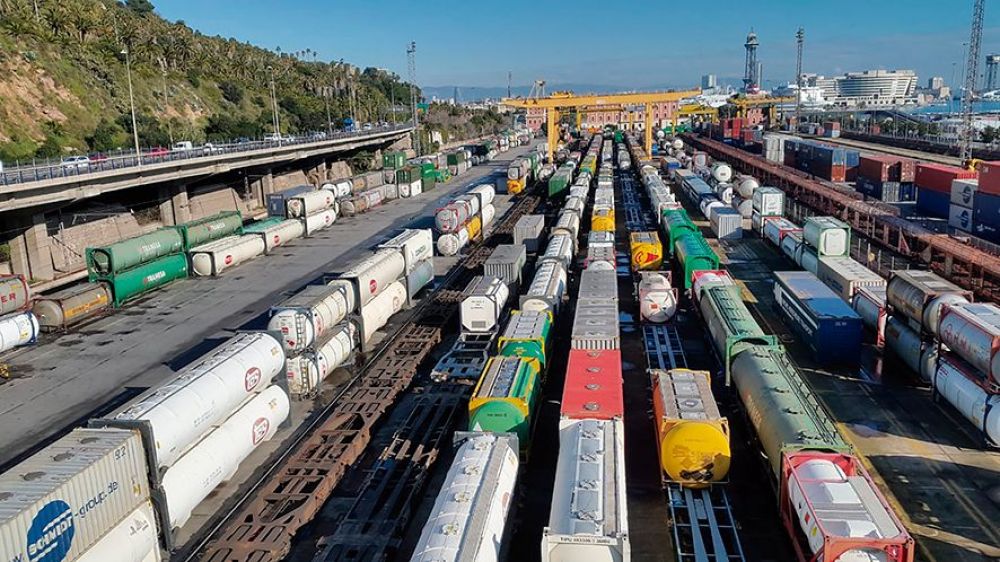
- Inland Spain (domestic flows): The Gelida closure is the main constraint on Iberian-gauge freight between Barcelona and Zaragoza, with only limited night-time diversions reported on alternative routes and insufficient capacity for normal volumes.
- France–Spain (cross-border flows): The Rubí tunnel blockage is the key constraint on standard-gauge freight to France, restricting international services and compressing available paths and terminal options.
The French Chamber of Commerce in Barcelona (CCI France Espagne) said in a LinkedIn statement dated 4 February 2026 that freight train flows between Catalonia and France/Europe had fallen by up to 80% in recent weeks, citing the Rubí tunnel interruption and the effects of recent railway accidents.
Rodalies network response (passenger-first, network-wide controls)
Alongside the two freight blockages, Adif and the Spanish Transport Ministry have expanded network-wide inspections and emergency works across Rodalies, which has translated into speed restrictions, partial line closures, and bus substitutions on multiple corridors as of Thursday, 5 February 2026. Adif has reported works at 31 locations and organisational changes including a new preventive maintenance structure and additional recruitment in Catalonia.