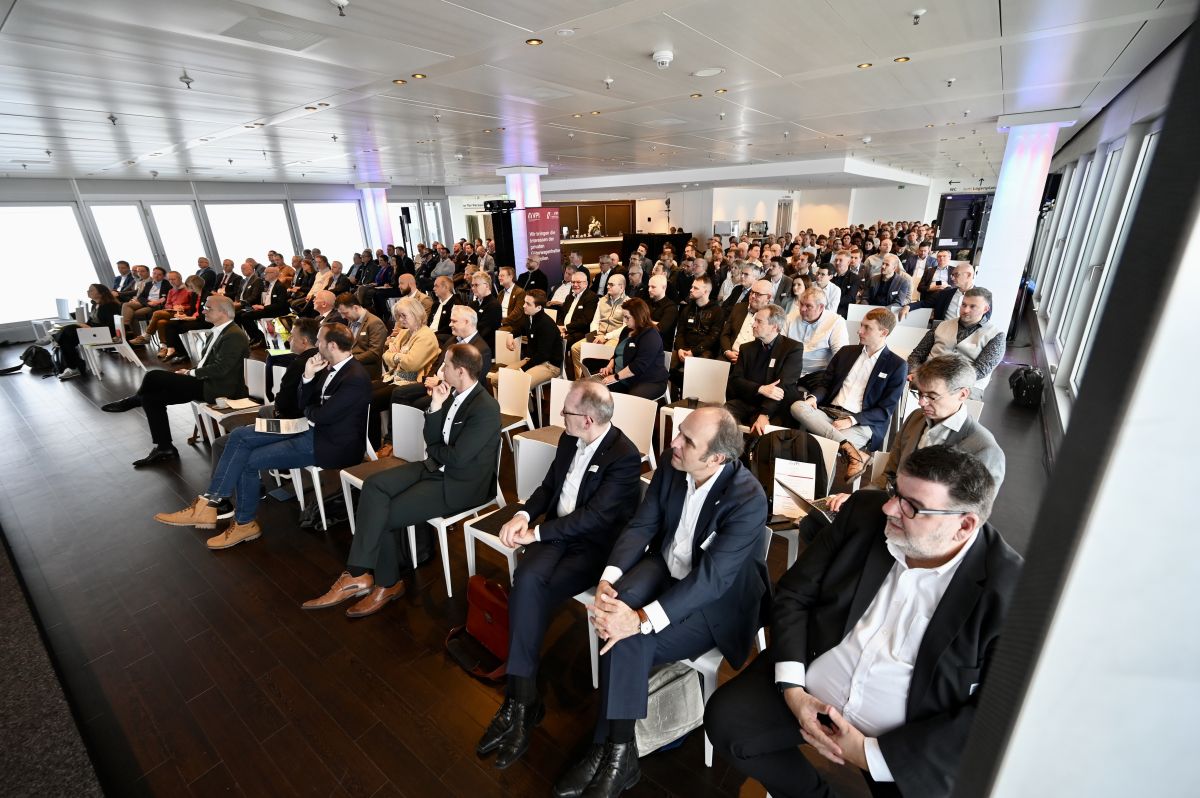
The 16th VPI Symposium, which took place in Hamburg this month, brought together around 250 participants from across the rail freight ecosystem. Experts addressed the sector’s current situation, focusing on political frameworks, European regulatory coordination, infrastructure constraints and technological developments affecting freight operations.
Opening the event, VPI Chairman Malte Lawrenz described rail freight as being under pressure on multiple fronts — politically, economically and operationally. He stressed that solutions must be developed at European level, warning that fragmented national approaches risk weakening cross-border rail freight and undermining the sector’s long-term performance.
A broader transport-policy perspective was provided by Stefan Jurisch (VDV), who outlined the structural challenges facing rail freight and the conditions required to make the sector more resilient. UIP President Johann Feindert also criticised national regulatory “solo runs”, referring to Switzerland’s 2025 measures on wheelset revisions. He argued that safety and regulation in rail freight must be handled consistently at European level to preserve interoperability.
The symposium also focused on the Digital Automatic Coupling (DAC). Speakers involved in the DAC4EU and PioDAC projects shared operational insights, underlining the importance of real-world testing, maintenance monitoring and gradual implementation. Federal funding schemes supporting DAC deployment were also presented, highlighting the role of public support in enabling system-wide rollout.
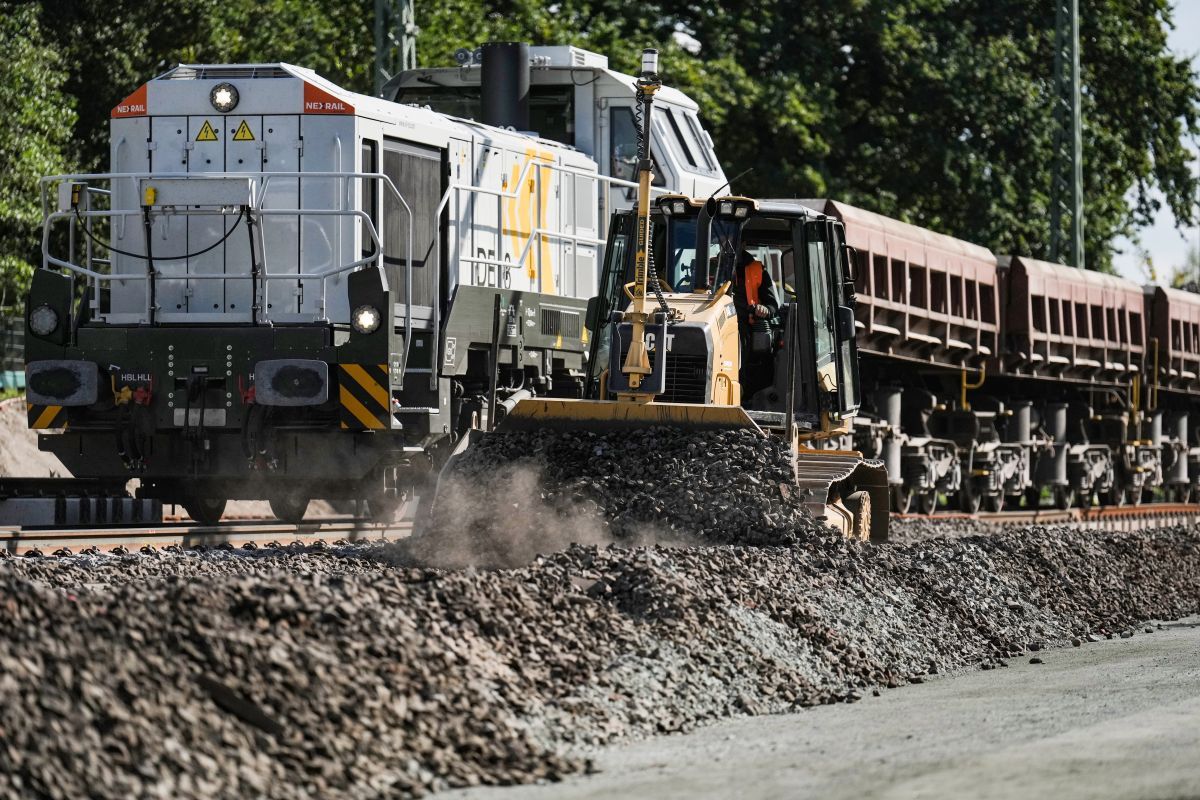
Operational impacts of large-scale infrastructure renewals were another key topic. Jan Elfenhorst (EP Cargo) described how corridor refurbishments affect capacity, reliability and costs for freight operators, illustrating the growing tension between construction activity and ongoing operations.
The programme concluded with a discussion on the General Contract of Use for Wagons (AVV). Speakers examined recent amendments and emphasised the AVV’s role as a cornerstone for cooperation between railway undertakings and wagon keepers, particularly as the sector navigates regulatory and operational change.