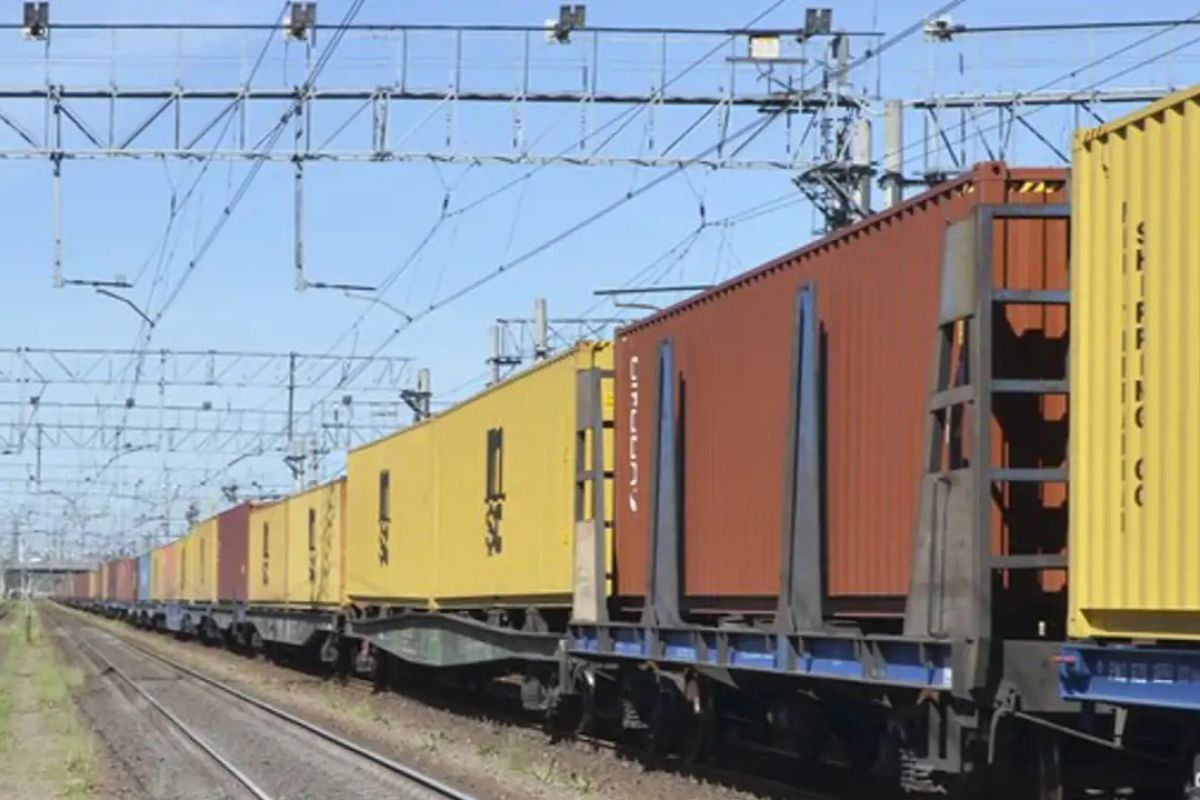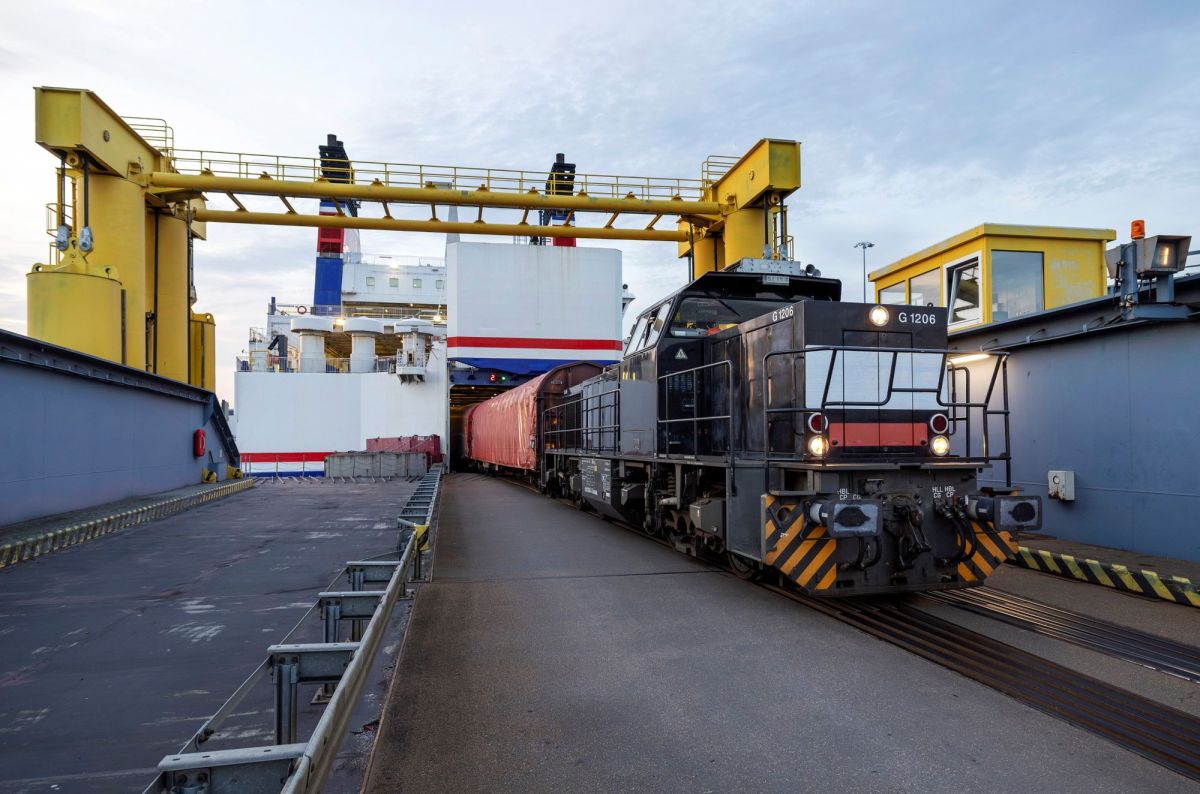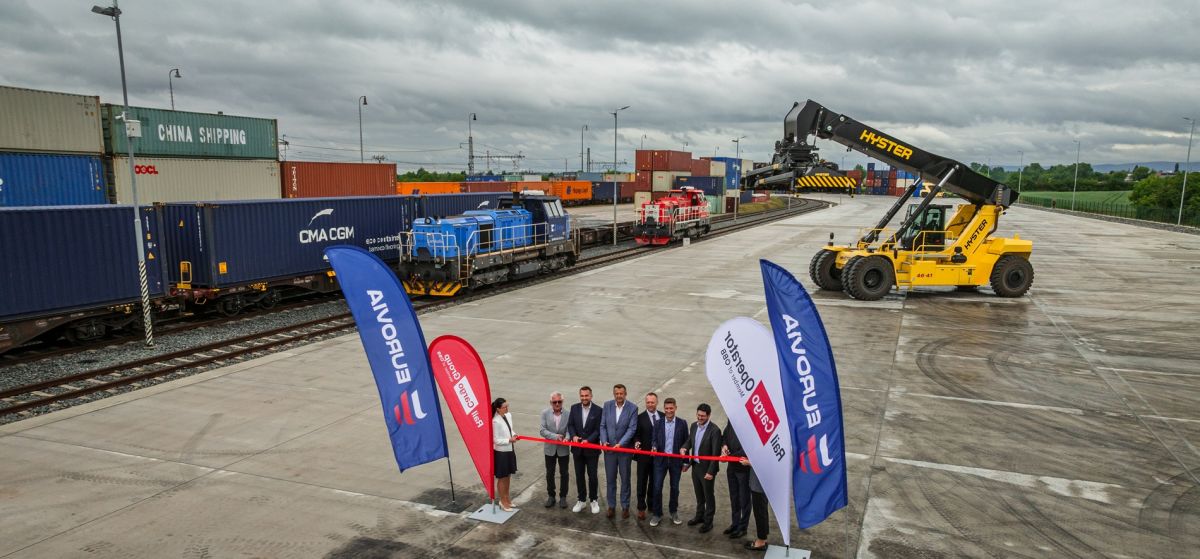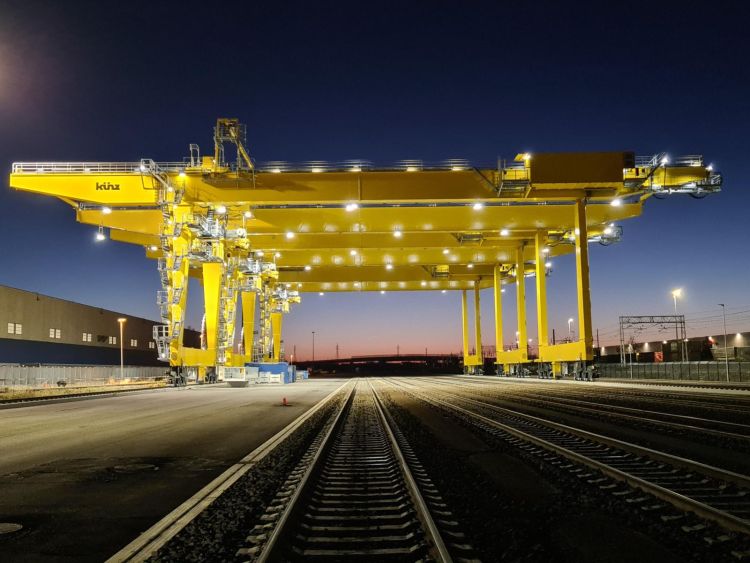
The figures represent a 2.6% decline compared to the previous year. The company maintained transalpine transport volumes through Switzerland despite capacity restrictions in the Gotthard Base Tunnel. However, disruptions on the Modane line and adjustments in northeastern Italy led to reduced transalpine traffic via France and Austria. Non-transalpine transport across western, northeastern, and southeastern Europe remained relatively stable, with a slight decrease of 1.2%.
Rail network conditions continued to affect freight transport reliability. Hupac cited aging infrastructure, particularly in Germany, as a key issue, impacting operational performance. The refurbishment of the Riedbahn line between Frankfurt and Mannheim provided an example of rail infrastructure construction carried out with freight transport considerations, involving factors such as available train paths, electrified diversion routes, and consistent train parameters.
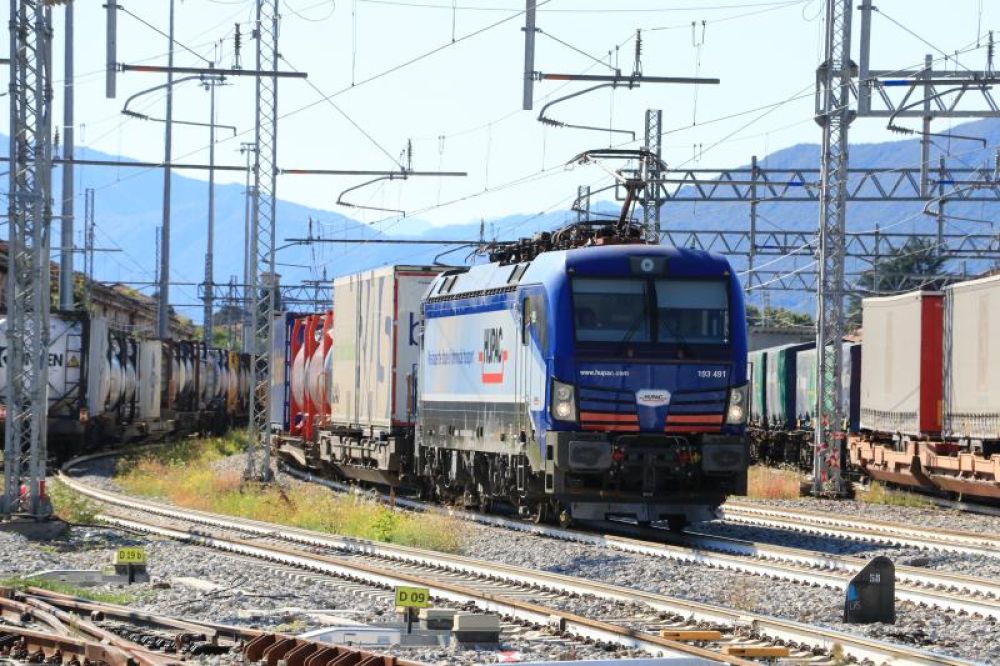
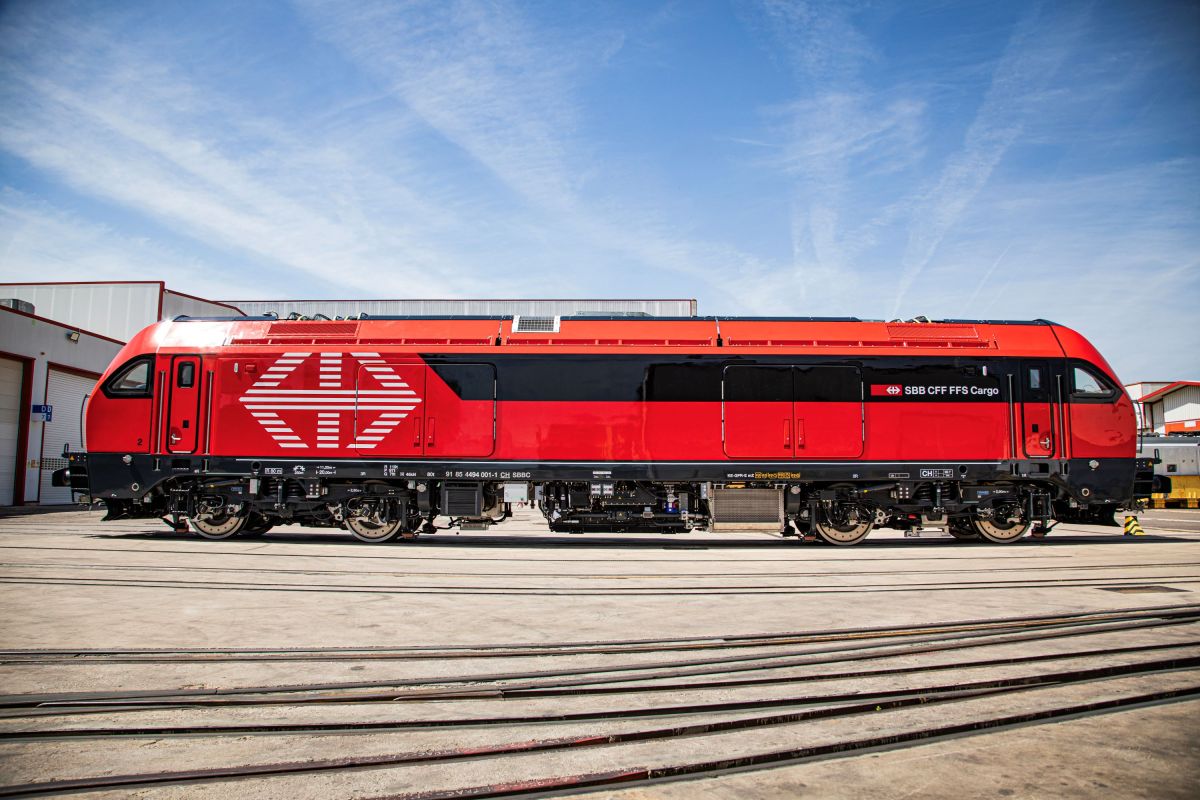
To mitigate disruptions, Hupac introduced measures aimed at maintaining transport flows. During the August 2024 closure of the Rhine Valley Railway, the company launched a cross-border initiative in cooperation with SBB Cargo International and Captrain, operating diesel shuttle services through Alsace to reroute freight traffic. From 2025, some Belgium-Italy routes have been redirected through France to manage operational risks. Additional measures include reserve rolling stock, additional locomotive drivers, and expanded weekend capacity to compensate for service backlogs.
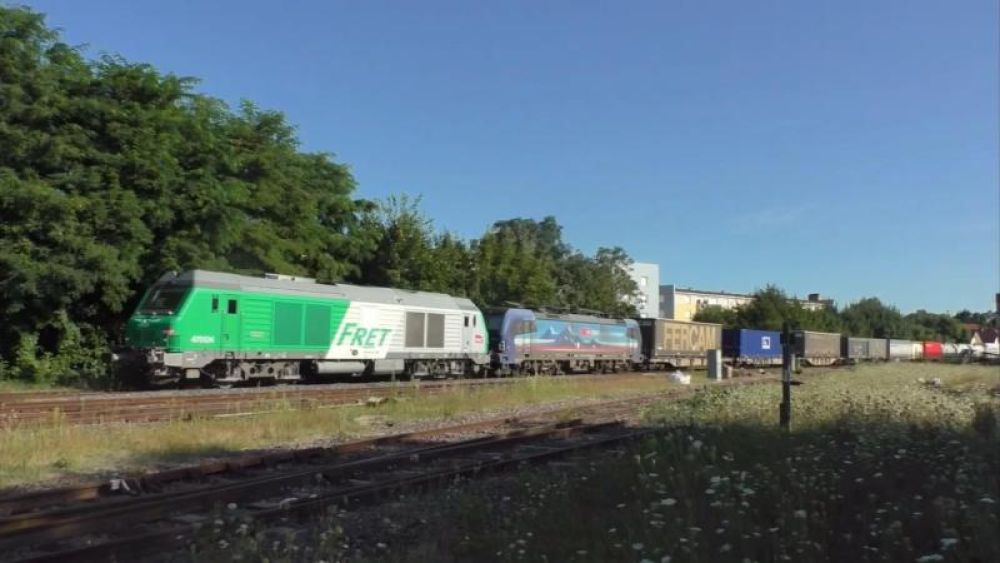
Hupac is also advocating for infrastructure adjustments, including additional storage sidings along the north-south corridor through Switzerland, with proposed locations in Basel, Karlsruhe, Offenburg, and Chiasso. On a broader level, the company supports greater coordination of European rail freight corridors, citing the joint Switzerland-Belgium engagement in the North Sea-Rhine-Mediterranean corridor as an example of cross-border collaboration.
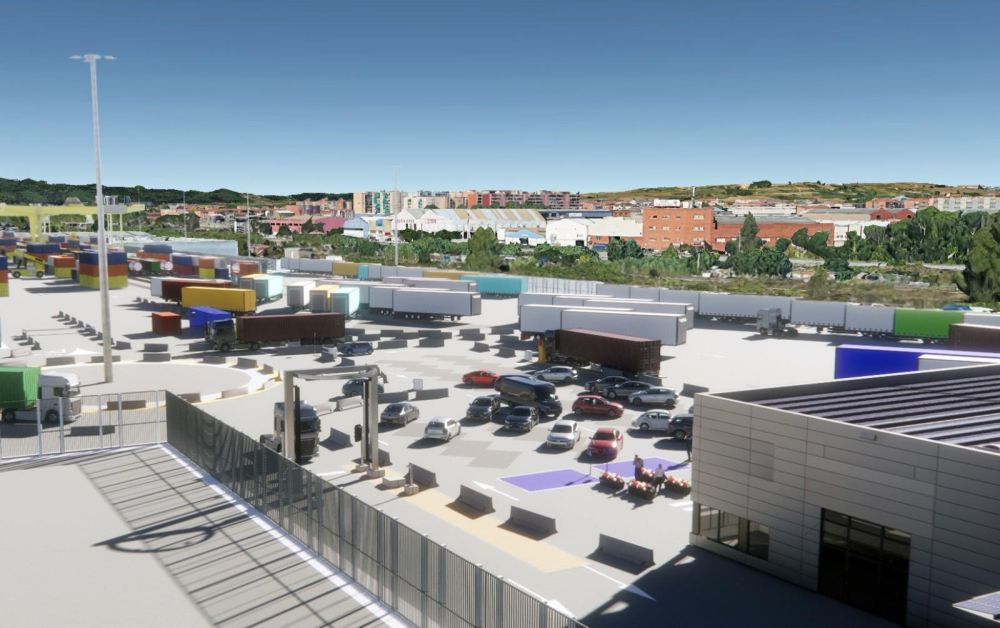
Infrastructure expansion remains part of Hupac’s planning, with new intermodal terminals in Piacenza and Barcelona expected to enter service this year, followed by Milano Smistamento in 2026. The company is also working on digitalisation initiatives aimed at optimising processes and reducing operational costs. Discussions on expanding the Antwerp-Metz-Basel corridor to accommodate 4-meter profile trains continue, with co-financing for Vosges tunnel modifications under review.