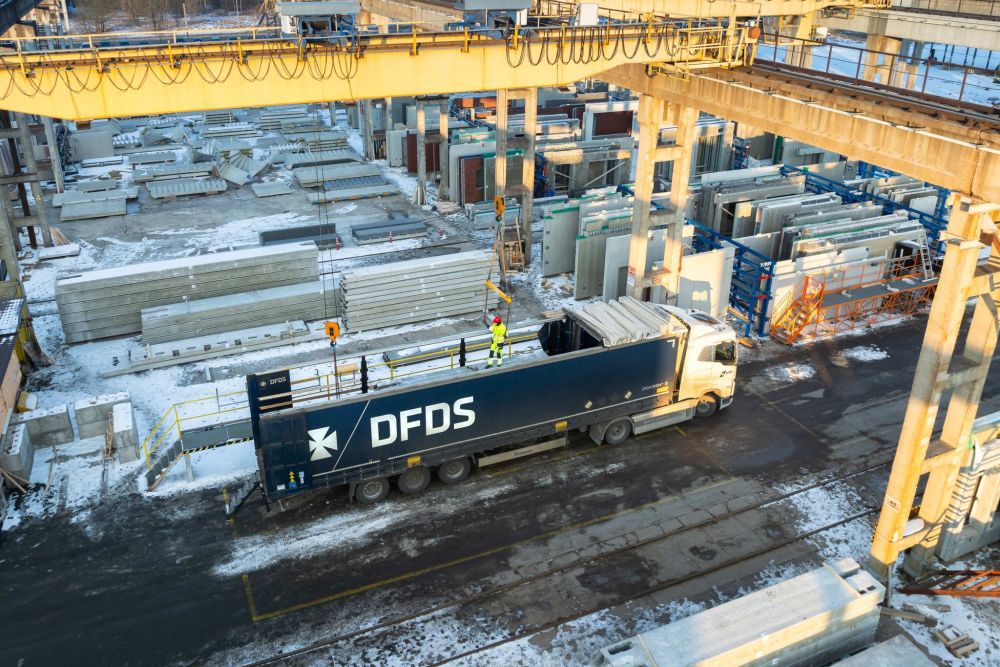
The collaboration between LTG Cargo, DFDS, and Ignitis has established a multimodal logistics chain that integrates rail and maritime transport while optimizing freight flows between Lithuania and Western Europe. The solution was developed in response to the logistics needs of INHUS, a manufacturer specializing in prefabricated concrete structures, which sought a lower-emission transport alternative for its cargo.
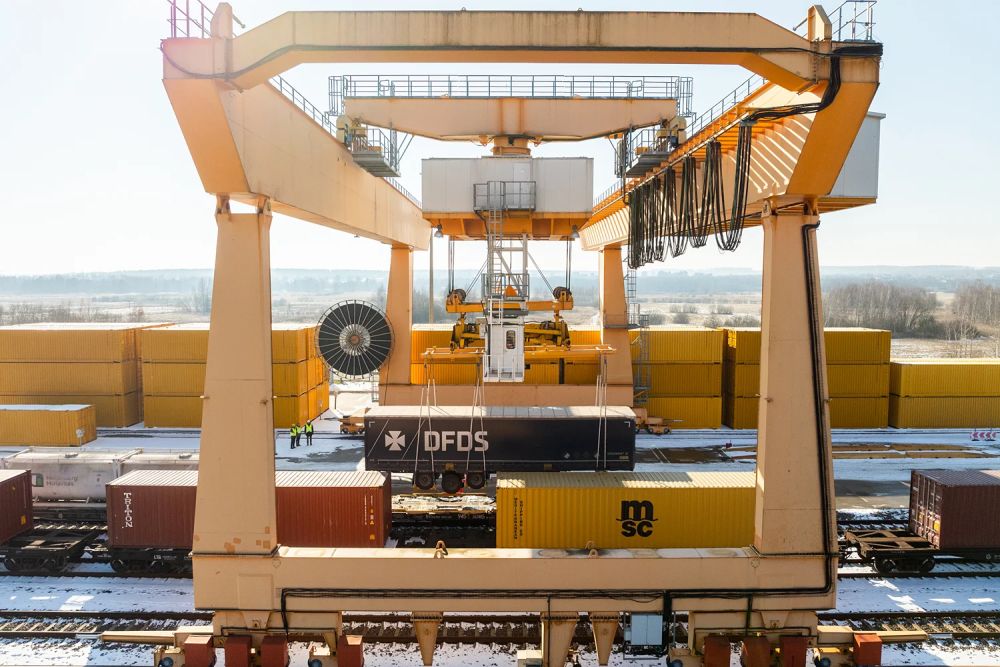
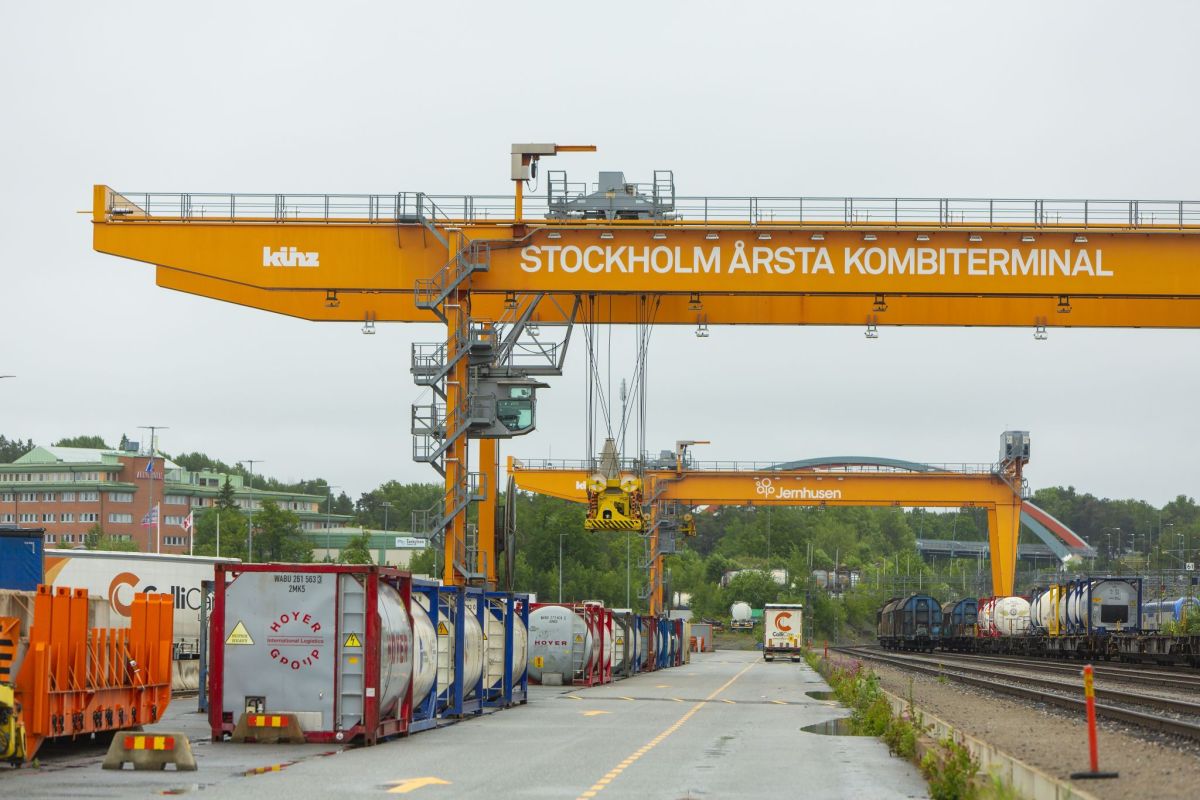
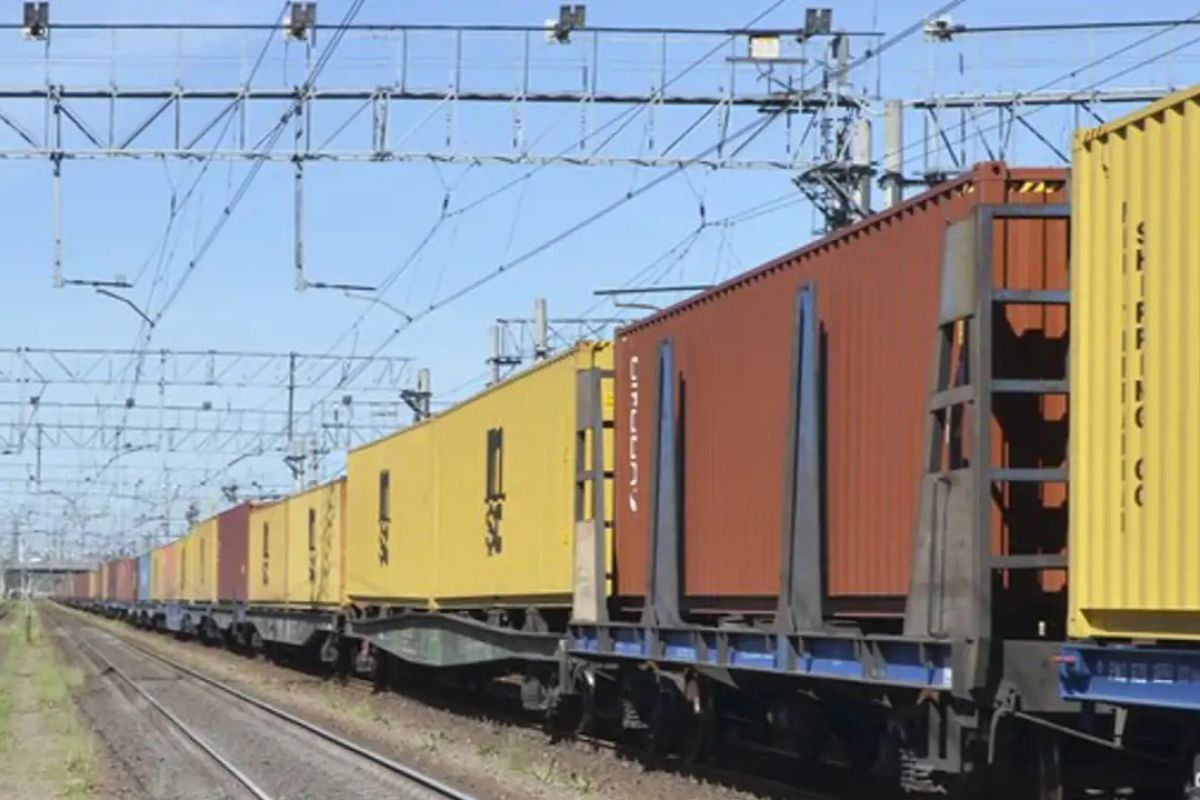
LTG Cargo operates the rail segment of the route, transferring INHUS cargo—primarily prefabricated concrete elements—from road transport onto trains at Vilnius Intermodal Terminal. These shipments travel by rail to Klaipėda, where cargo is loaded onto DFDS ferries for transport to Sweden, Germany, Denmark, and other destinations. The process reduces road traffic on key corridors, with each intermodal train replacing up to 36 trucks.
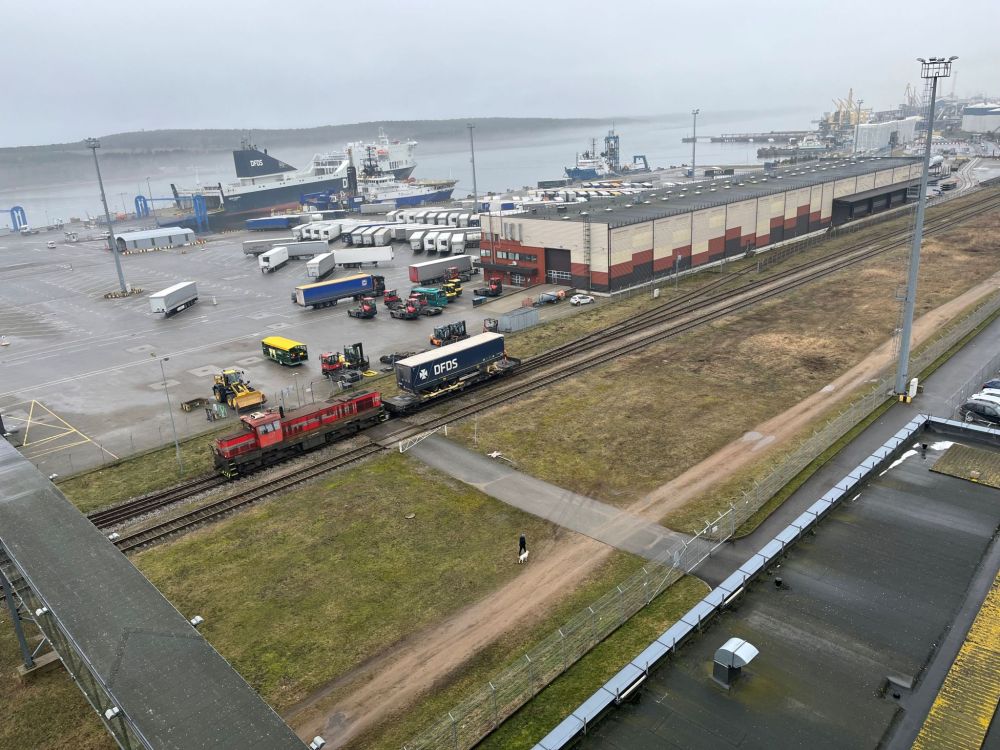
DFDS manages the maritime segment, providing sea transport links that connect Klaipėda with ports across Europe. The integration of rail with ferry services enables logistics operators to move cargo over long distances while reducing the environmental impact compared to road-only transport. According to LTG Cargo, nearly 7,000 containers were transported by rail from Vilnius to Klaipėda last year, reducing truck movements on Lithuanian highways.
Ignitis has contributed to the project by introducing charging infrastructure for electric trucks, supporting last-mile deliveries that complement rail transport. A fast-charging station has been installed at Vilnius Intermodal Terminal, with additional infrastructure planned for Kaunas. These facilities allow logistics companies to integrate electric trucks into intermodal transport chains while maintaining operational flexibility.
The European Commission aims to shift at least 30% of freight transported over 300 km to rail by 2030. The development of intermodal rail services and supporting infrastructure in Lithuania aligns with these objectives by providing logistics operators with an alternative to long-haul road transport.